The short answer: with OEM (Original Equipment Manufacturing), you supply the design and the factory produces it to your specification; with ODM (Original Design Manufacturing), the factory supplies the design and you sell it under your brand. The difference comes down to who owns the design work — and it shapes everything from development cost to intellectual property.
If you are a jewelry brand sourcing production overseas, choosing the wrong model wastes months. This guide explains how each model works in silver jewelry, when to pick which, and what to ask a factory before you commit.
At Yunsilver, both OEM and ODM projects center on 999 fine silver: our 999 handmade fine silver is the core of everything we make, and every order—whether you supply the design or we do—starts from that standard.
What OEM Means in Jewelry
OEM is a build-to-print relationship. You bring a finished design — technical drawings, CAD files, or a physical sample — and the manufacturer executes it. The factory’s job is fidelity: matching your dimensions, alloy, finish, and tolerances piece after piece.
OEM suits brands with an in-house design team or a signature aesthetic that must not drift. You keep full ownership of the design, and the factory typically agrees not to produce it for anyone else. The trade-off is that you carry the design cost and the responsibility for getting the details right before tooling begins.
What ODM Means in Jewelry
ODM flips the responsibility. The factory offers its own design library — developed from its craft knowledge and market experience — and you select, adapt, and brand the pieces. Many silver factories in traditional craft regions maintain deep archives of regional motifs and techniques that a brand could never develop alone.
ODM suits brands that need speed or lack design capacity. Development is faster because the factory has already solved the engineering: it knows how a particular clasp behaves, which thickness survives daily wear, where a stone setting needs reinforcement. The trade-off is less exclusivity — a popular ODM design may appear, with variations, in other brands’ lines unless you negotiate exclusivity or request meaningful modifications.
Side-by-Side Comparison
| OEM | ODM | |
|---|---|---|
| Who designs | You (the brand) | The factory |
| Development speed | Slower — design, then engineering | Faster — proven designs adapted |
| Design ownership | Yours, typically exclusive | Shared or licensed; negotiate exclusivity |
| Best for | Signature collections, strong design teams | New brands, fast market testing |
| Customization depth | Total — every dimension is yours | Moderate — adapt existing designs |
| Main risk | Design errors become your cost | Less differentiation without modifications |
First-Hand Evidence: How a Craft Factory Handles Both
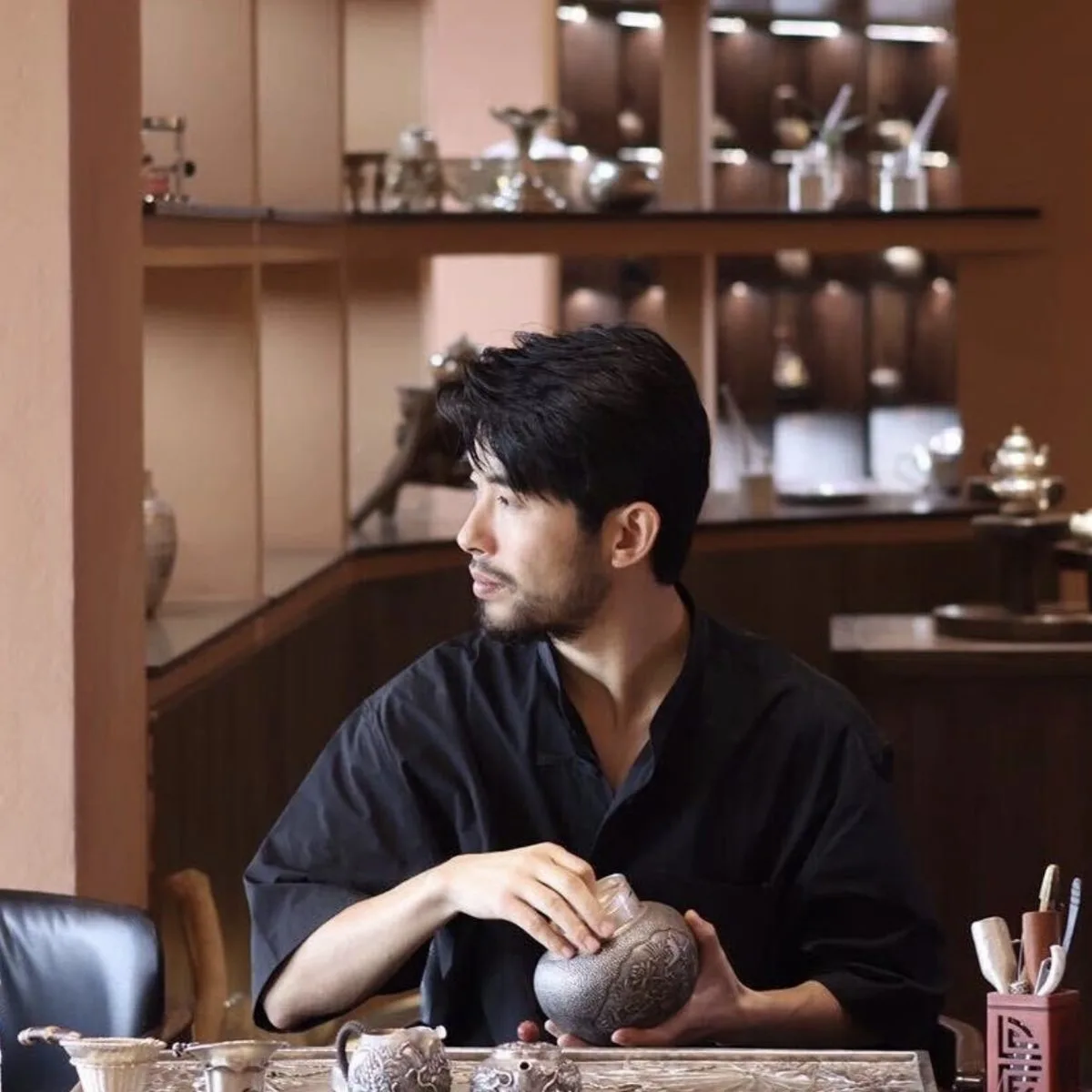
In our Dali workshop, the two models often blend. An OEM client may send a CAD file for a bangle, and our silversmiths will flag what the drawing cannot show — for example, that a 1.2 mm wall will dent under a hammered finish, or that a hinge needs a slightly wider knuckle to survive daily opening. That feedback loop, between the client’s design intent and the bench worker’s hands, is where OEM succeeds or fails.
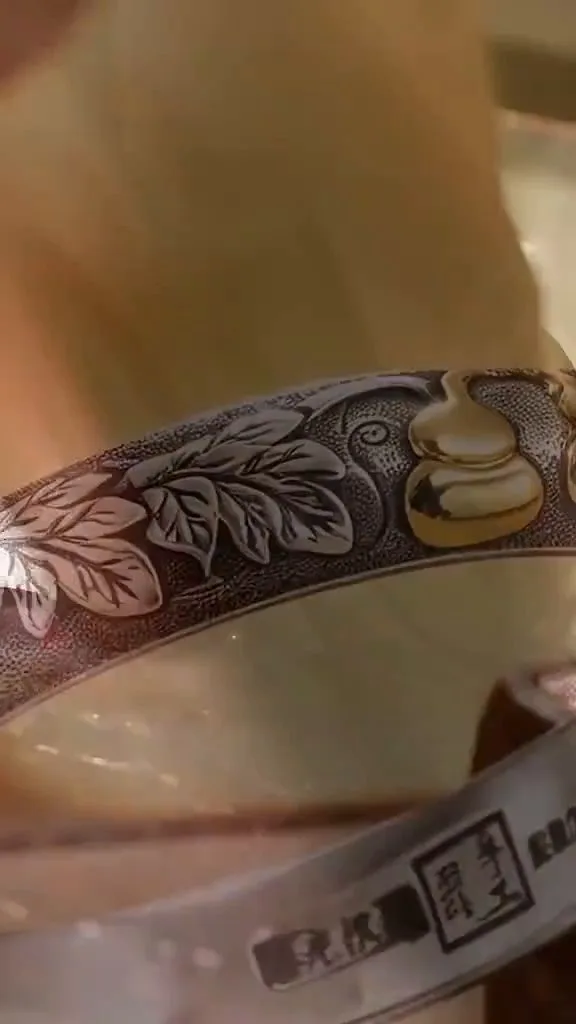
On the ODM side, our archive of Yunnan chasing patterns — floral scrolls, geometric borders developed over generations — gives brands a starting point they can adapt. A common path: a brand selects an ODM bracelet, requests a different width and a custom clasp, and the piece becomes effectively exclusive through modification. The factory’s role shifts from executor to collaborator.
What to Ask Before You Choose
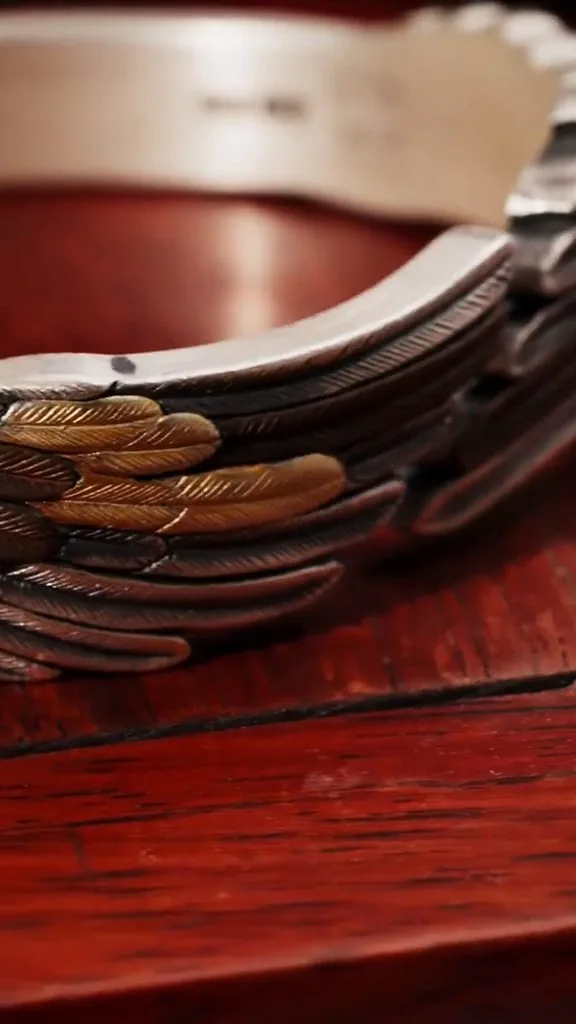
Whether you go OEM or ODM, ask the factory three questions. First, who owns the design files and samples after the project — get it in writing. Second, how are modifications priced: is there a separate sampling fee per round, or is it folded into the order? Third, what is the factory’s actual craft capability versus its assembly capability — a factory that only assembles cast components will struggle with an OEM design that requires hand-forging or chasing.
A serious manufacturer answers these precisely. Vague answers are a signal to keep looking.
FAQ
Can I switch from ODM to OEM with the same factory?
Yes, and it is a common progression. Brands often start with ODM to test the market, then move successful pieces into OEM-style exclusive development once volume justifies it.
Does ODM mean lower quality?
No. Quality depends on the factory’s process control, not the business model. An ODM piece from a skilled workshop outperforms a poorly managed OEM piece every time.
Who owns the design in an ODM arrangement?
It depends on the agreement. Default practice varies by factory, so negotiate ownership or exclusivity before sampling — not after.
How many sampling rounds are normal?
For OEM, two to three rounds is typical: first sample, correction, approval. Complex pieces with moving parts may need more. Ask how the factory charges per round.
Can a factory do both OEM and ODM?
The best ones do. A workshop with genuine craft depth can execute your design faithfully and also offer a design archive worth adapting.
Leave a Reply