
Benzhu: The Guardian God of Every Village
In the hearts of us Bai people, every village has a guardian god, called Benzhu.
Benzhu means “the noblest protector god of this territory.” In our Bai language, we call him “Duobo” (Grand Master) or “Laogu Laotai” (Great-great-grandfather, Great-great-grandmother).
Benzhu began as a protector god of clans and tribes, later evolving into the protector god of villages. Every village has its own Benzhu, guarding the land and the people.
Since childhood, I have followed adults to the Benzhu temple to burn incense. The temple was filled with incense smoke, and elders knelt devoutly, murmuring prayers. Back then I did not understand; I only felt that Benzhu was powerful and could bless our whole village with safety. Only when I grew up did I understand that what Benzhu blesses is actually our attachment to our hometown and our hope for life.
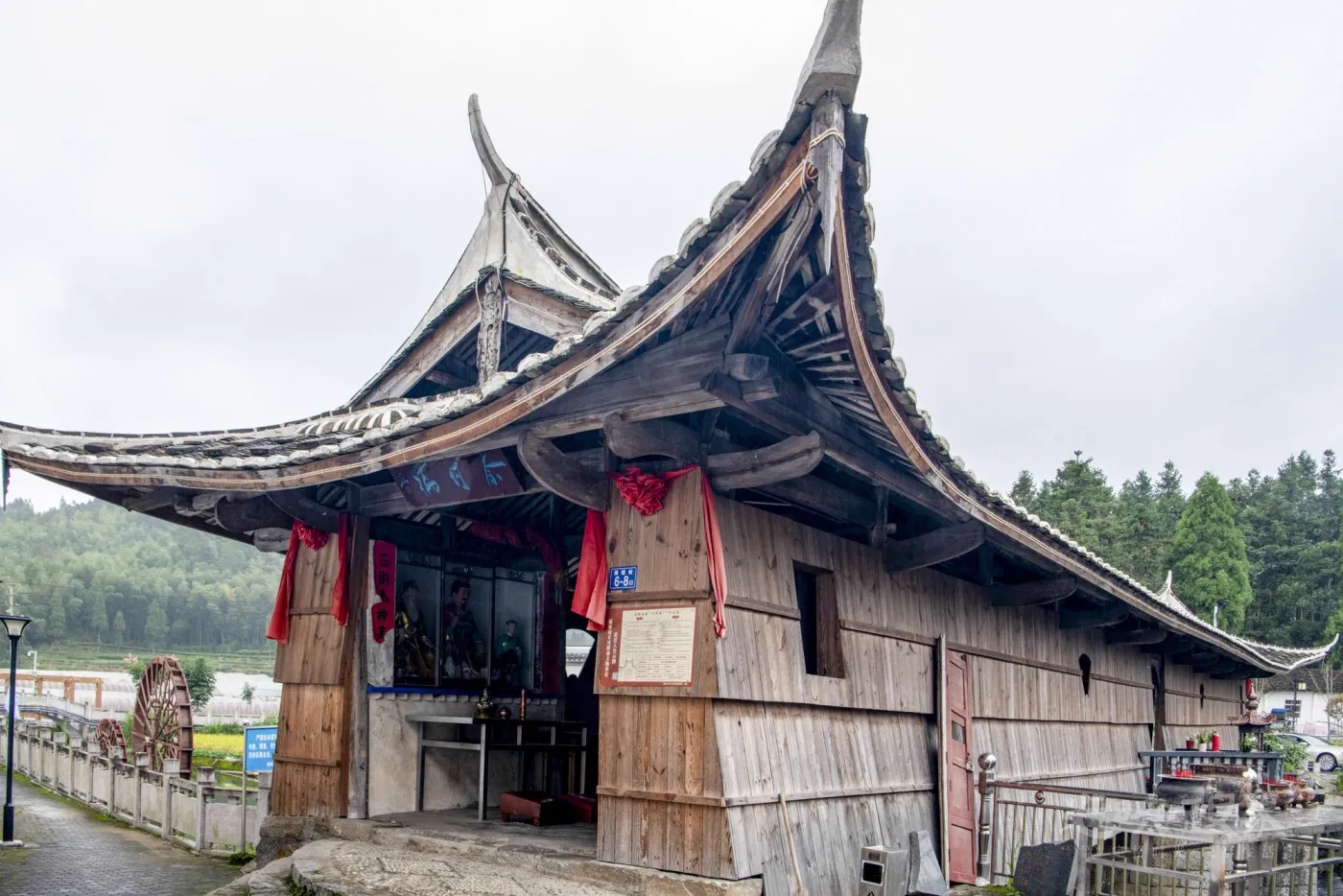
Five Hundred Divine Kings: Our Pantheon
According to legend, our Bai Benzhu comprise five hundred deities, commonly known as the “Five Hundred Divine Kings.”
Above them are the “Seventy-two Altar Jingdi,” the “Eighteen Altar Gods,” and the “Nine Altar Gods,” with the highest Benzhu being the “Divine Heavenly Emperor.”
Benzhu come from eight sources: nature gods, ancestor gods, totem gods, hero gods, commoners deified, Buddhist and Taoist deities, rulers of the Nanzhao and Dali Kingdoms, and Han historical figures.
From heavenly gods to ancestors, from heroes to commoners, almost every worthy object of respect can become a Benzhu. This is precisely the inclusiveness of us Bai people—as long as you have contributed to this land, as long as you are worthy of respect, you can become our guardian god.
The First Benzhu Temple: A Tang Dynasty Story
In the Tang Dynasty, Nanzhao King Quan Fengyou ordered the state elder Zhao Wenqi to build the first Bai Benzhu temple in Dali.
From then on, Benzhu culture has been passed down through generations between Cangshan Mountain and Erhai Lake, continuing to this day.
More than a thousand years have passed, yet the Benzhu temple still stands, the incense still burns, and the Bai people’s reverence for Benzhu remains.
Buddhism: The Esoteric School That Came from Tibet, to the Azhali Sect
Buddhism was introduced to the Erhai region around the Sui and Tang dynasties, initially as esoteric Buddhism.
On this thread, there is a piece of history I must make clear: our Bai esoteric Buddhism came in through the Tibet route.
The Indian monk Zantuo Juduo from Magadha, in the sixteenth year of the Baohe era of Nanzhao (838 AD), came to Dali via Tibet. Nanzhao King Quan Fengyou trusted him greatly, appointed him as state preceptor, and married his clanswoman Princess Yuewu to him. From then on, under the protection of the Nanzhao royal family, the Azhali sect built many Buddhist temples, sculpted Buddha statues, and widely recruited Bai believers. Esoteric Buddhism flourished in Dali from then on, and successive generations served as state preceptors of Nanzhao and Dali.
Why via Tibet? Because at that time, Nanzhao and Tubo (Tibet) had very close exchanges. In the era of Geluofeng, Nanzhao, provoked by the encroachments of Tang border officials, turned to ally with Tubo. Political, military, and cultural exchanges between the two sides continued, and Buddhism followed this route from Tibet into the Erhai region. So our Bai esoteric Buddhism, from the very beginning, carried the imprint of the Tibet route.
The monks were called “Acharya,” also known as the “Azhali sect.” “Acharya” means mentor and model teacher. The Azhali sect and Tibetan Buddhism both belong to the esoteric lineage—both emphasize Guanyin, rituals, and master-disciple lineage. But when it reached Dali, combined with Bai culture, it formed its own distinctive school: worshipping Achaye Guanyin (the slender-waisted Guanyin), honoring Mahakala as guardian god, with monks allowed to marry and pass down through generations—very special in Buddhism, and our own Bai way.
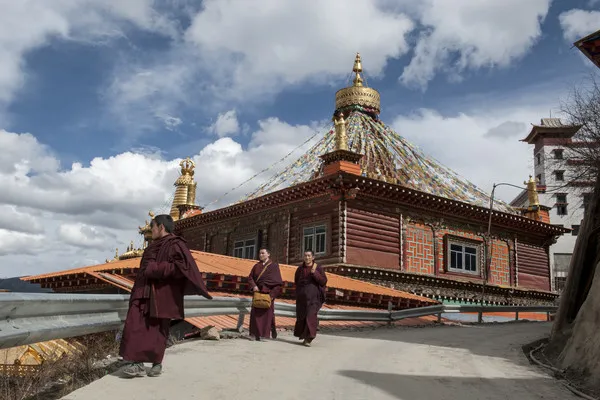
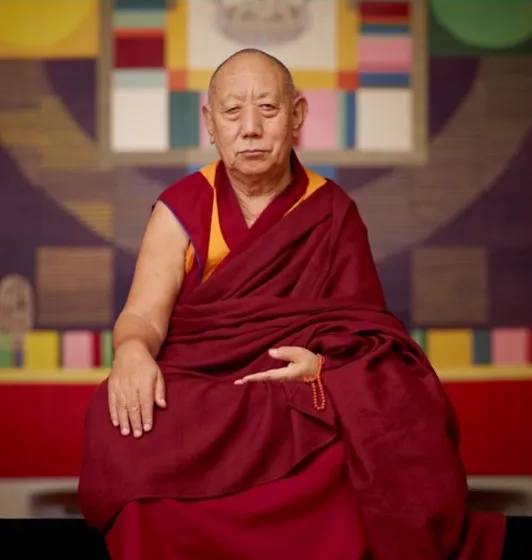
Flourishing during the Nanzhao and Dali periods, ten of the twenty-two emperors of the Dali Kingdom became monks. The Erhai region early earned the title “Ancient Miaoxiang Kingdom.” Every household worshipped Buddha statues, everyone carried a string of prayer beads, and nearly half the days of the year were fasting days—that was daily life in Dali at that time.
Today, the shadow of Tibetan Buddhism remains clear in the Dali region: Tibetan Buddhist temples in northwest Yunnan, lamas coming to Dali on pilgrimage, prayer wheels, and thangkas all coexist harmoniously with Bai Benzhu temples and the Azhali sect. The line from Tibet, the line from India, the line from Han China converge in Dali, none excluding the others—this is what our Bai faith looks like.
The Three Pagodas of Chongsheng Temple are witnesses of Buddhism in Dali. Every time I visit the Three Pagodas, I wonder: more than a thousand years ago, did those emperors who became monks also stand here, looking at Cangshan Mountain and Erhai Lake, contemplating the meaning of life? And more than a thousand years later, the lamas’ chanting and the Benzhu temple incense still drift together over this land.
Silverwork and Faith: Craftsmen Crossing Mountains to Tibet to Make Ritual Objects
Here, I must also tell a story about the bond between our Bai silverwork and Tibetan Buddhism—because the tradition of Bai silver making was, to a large extent, developed to serve Tibetan Buddhism.
Traditionally, our craftsmen had to cross thousands of mountains and rivers to Tibet to make ritual objects for temples. Carrying chisels and hammers, they followed the Tea Horse Road westward, to Lhasa and to the great temples, making offering cups, butter lamps, dharma bells, and vajras for the temples. One ritual object could take months at the shortest, years at the longest. Craftsmen left their best skills for the Buddha, and their most devout hearts for the Buddha as well.
Why silverwork? Because in Tibetan Buddhism, silver is one of the purest and most solemn materials. Offering cups, lamp stands, and ritual objects for the Buddha, made of silver, are worthy of offerings before the Buddha. And our Bai silversmiths’ skills—chasing, hammering, inlaying—could carve Buddhist patterns into silver, chisel by chisel.
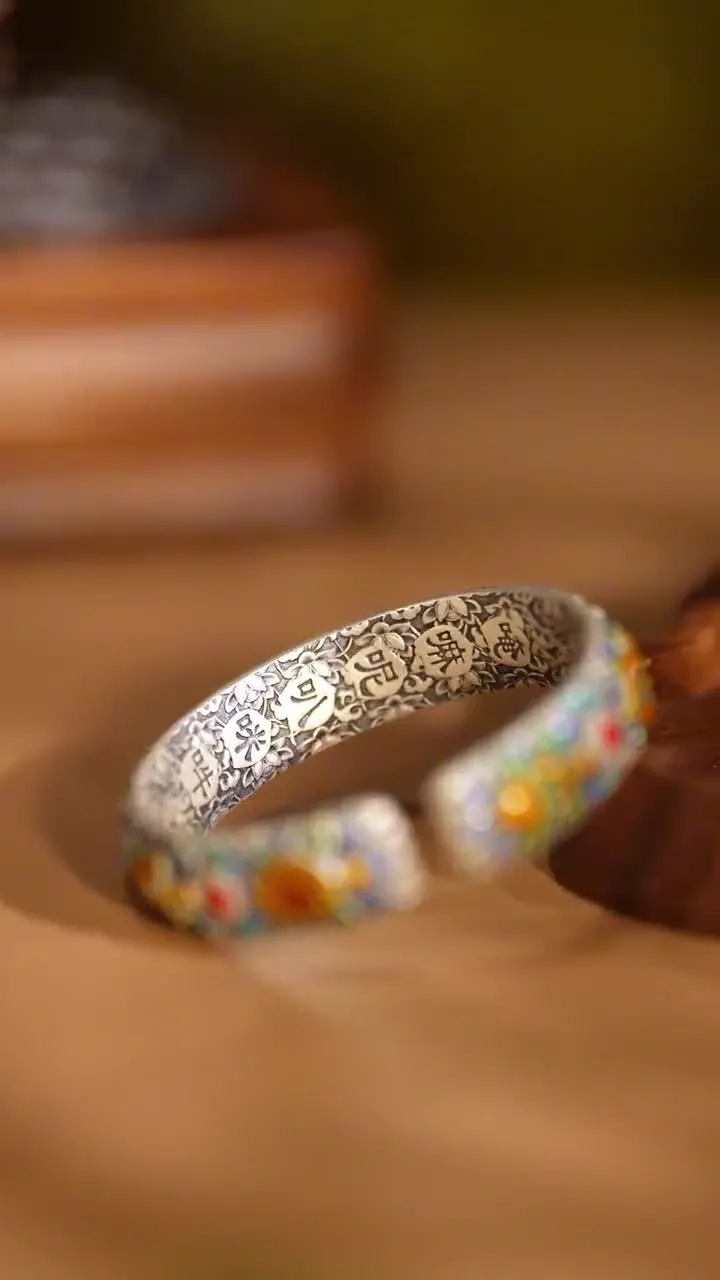
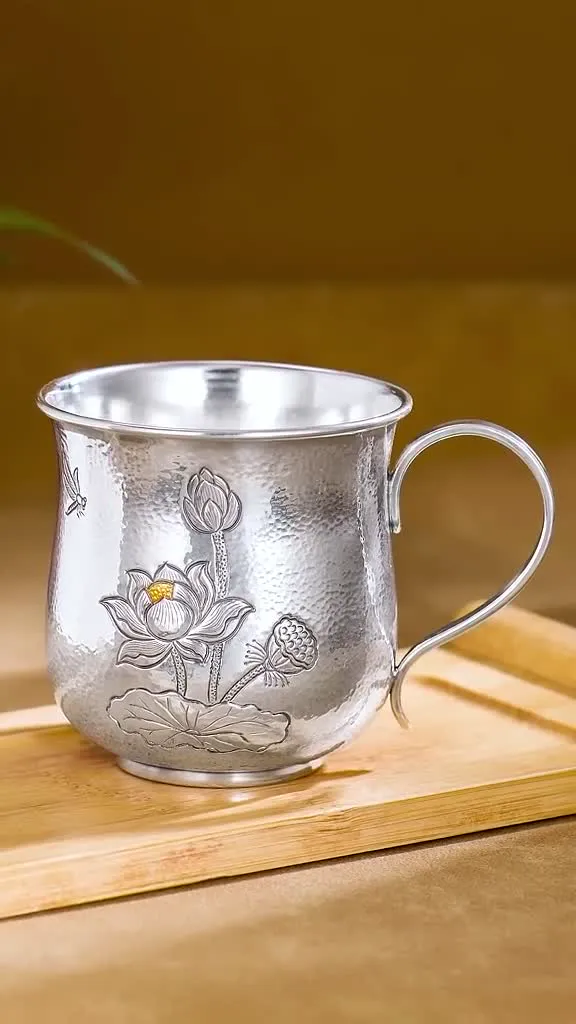
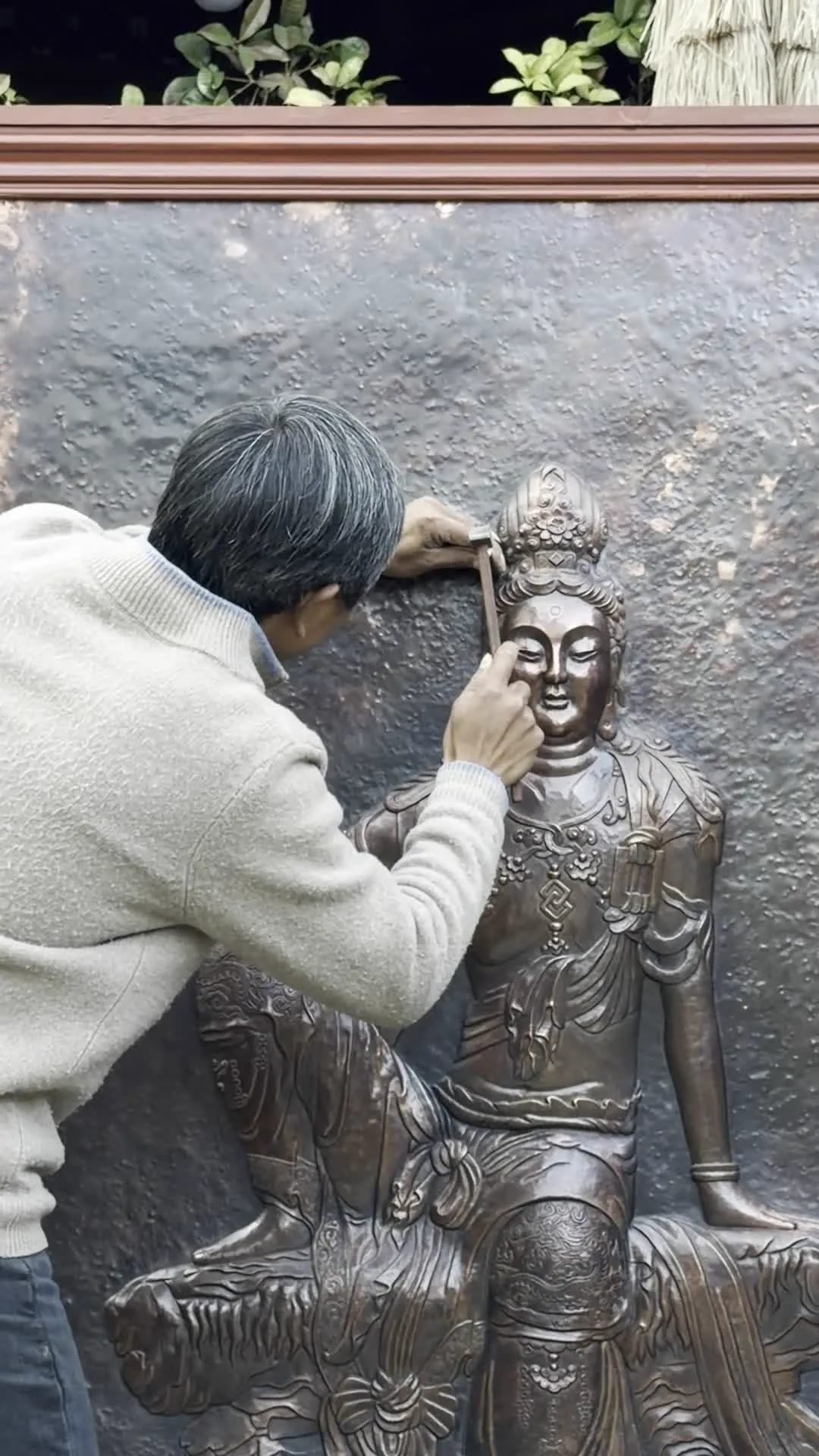
The Eight Treasures, lotus flowers, Guanyin—these patterns appear on our silverwork not as decoration, but as faith. Behind every piece of silverwork with Buddhist patterns is a story of a craftsman crossing mountains and rivers, and a scene of a temple filled with incense.
I make silverwork, and I have taken up this thread as well. Silverwork is not just a commodity; it is a carrier of faith, a thread between the Bai people and Tibetan Buddhism. I hope that through silverwork, more people will come to know the Bai people, and to know this devotion that crosses thousands of mountains and rivers.
The Fusion of Three Teachings: Our Bai Inclusiveness
We Bai people have a characteristic: inclusiveness.
The “common origin of the three teachings” of Buddhism, Confucianism, and Taoism, and the “unity of all dharmas,” is a major feature of our Bai religious beliefs. In Benzhu temples, one often finds the Taoist God of Wealth, the Buddhist Mahakala, Guanyin, and others. Almost all the gods worshipped by Taoism have been accepted by us as Benzhu.
In a Benzhu temple, you can see Buddhist Guanyin, Taoist God of Wealth, and Benzhu statues sharing the same hall, coexisting harmoniously.
This inclusiveness is not just talk; it is engraved in our bones. We do not reject any faith, as long as it tends toward goodness and beauty and blesses the safety of a place, we welcome it.
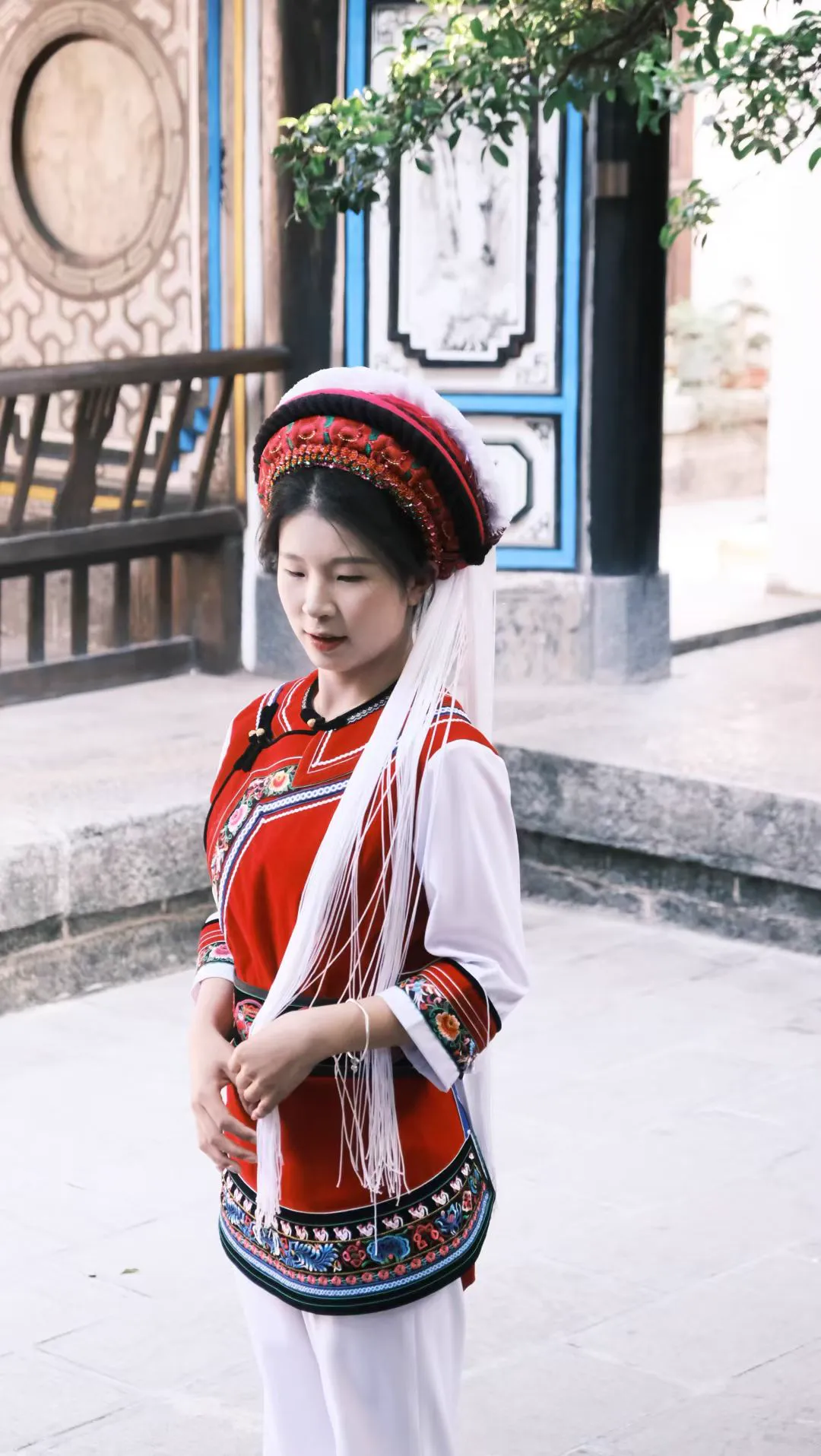
Benzhu Festival: The Village Carnival
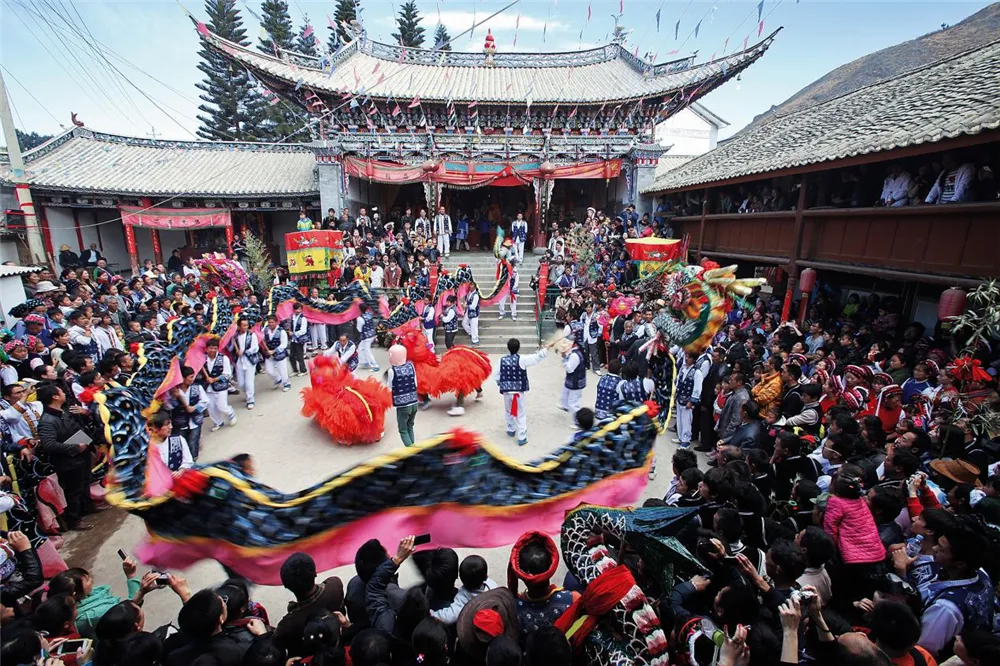
Every Benzhu has its own festival, called “Benzhu Gathering” or “Benzhu Festival,” mostly held on the Benzhu’s birthday or memorial day.
Villagers bring their children to the Benzhu temple to burn incense and offer sacrifices. Unmarried young men carry the Benzhu from the temple to the village communal house, where lion dances, dragon dances, stilt walking, singing of Dabenqu, and other activities take place.
The Benzhu Festival is not only a religious activity but also a social event for the village. Villagers scattered elsewhere reunite, young people meet each other, and the whole village is immersed in joy.
I love the Benzhu Festival most. The whole village comes out—elders chatting, children playing, young people singing and dancing. That kind of excitement, that kind of affection, cannot be experienced in the city.
I am Mr. Jiang, founder of Yunsilver. My home is in Dali. The silver jewelry I make tells the stories of the Bai people. Website: yunsilver.com
Leave a Reply