
Xizhou Baba: The Taste of My Childhood
Xizhou Baba is the taste I grew up with.
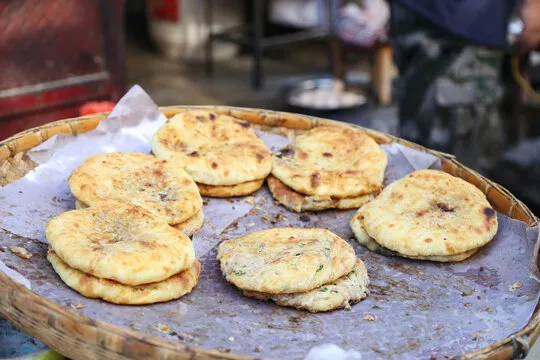
Also known as Xizhou crispy baba, it is a traditional delicacy of the Bai people in Dali. Round and flat, it is made by fermenting dough, rolling it into sheets, sprinkling fine salt or sugar, spreading lard, rolling it into strips, cutting and rolling it into round cakes, then baking them in a flat pan.
The sweet version is filled with rose sugar, the savory version wrapped with minced meat and scallions, baked over charcoal on both sides until the crust is crispy and layered and the inside soft. Overseas food lovers call it “Oriental pizza.”
Every time I return to Xizhou, the first thing I do is buy a freshly baked baba, hot to the touch, crispy, fragrant. That taste is the taste of childhood, the taste of home.
Rushan: Milk Fragrance from the Grill
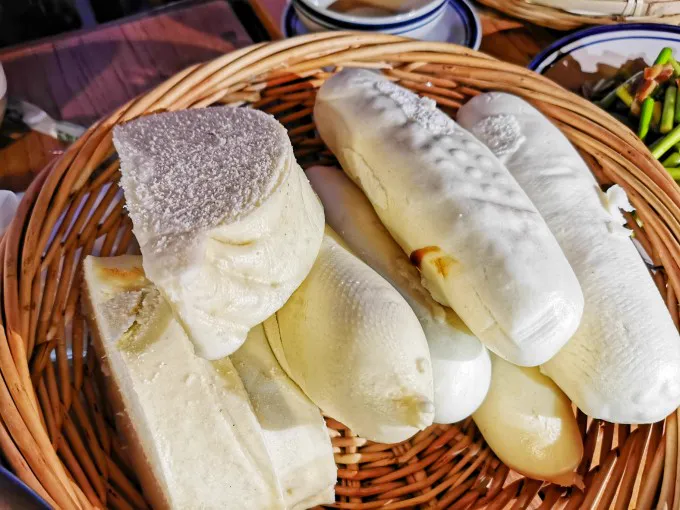
Rushan is a specialty dairy product of Dali, made from milk into thin sheets. Grilled, it tastes like a “grilled milk slice,” rich in milk fragrance, chewier with every bite.
It can be spread with rose jam or made into rose cheese desserts. On street stalls, the aroma of grilling rushan can be smelled from far away.
When I was young, I loved watching grandmothers grill rushan. The thin sheet slowly turned golden and crispy over charcoal, spread with rose jam, rolled up, and handed to me. That sweet fragrance, I still cannot forget it.
As famous as rushan is rubing, made from goat milk, fried and eaten, fragrant and crispy.
Sour and Spicy Fish: The Taste of Erhai Lake
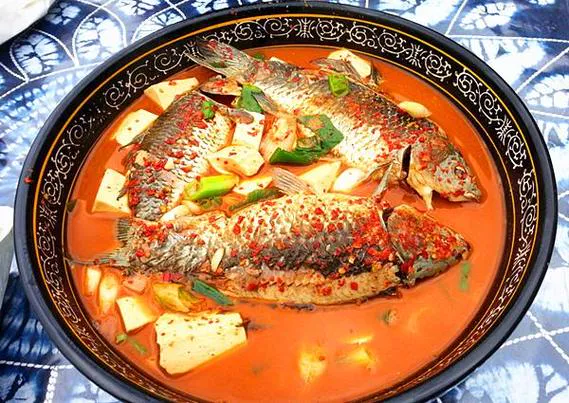
Sour and spicy fish is a representative Bai flavor—sour and spicy yet gentle, highlighting the ingredients themselves.
It uses Erhai bow fish, with red sour soup as its signature, served with potatoes, tofu, and other side dishes.
Fish from Erhai Lake, paired with Bai sour and spicy soup, is the taste of Dali. Every time friends visit Dali, I take them to eat sour and spicy fish. Watching them eat until they sweat yet unable to stop makes me truly happy.
Shengpi: Only True Friends Dare to Eat It
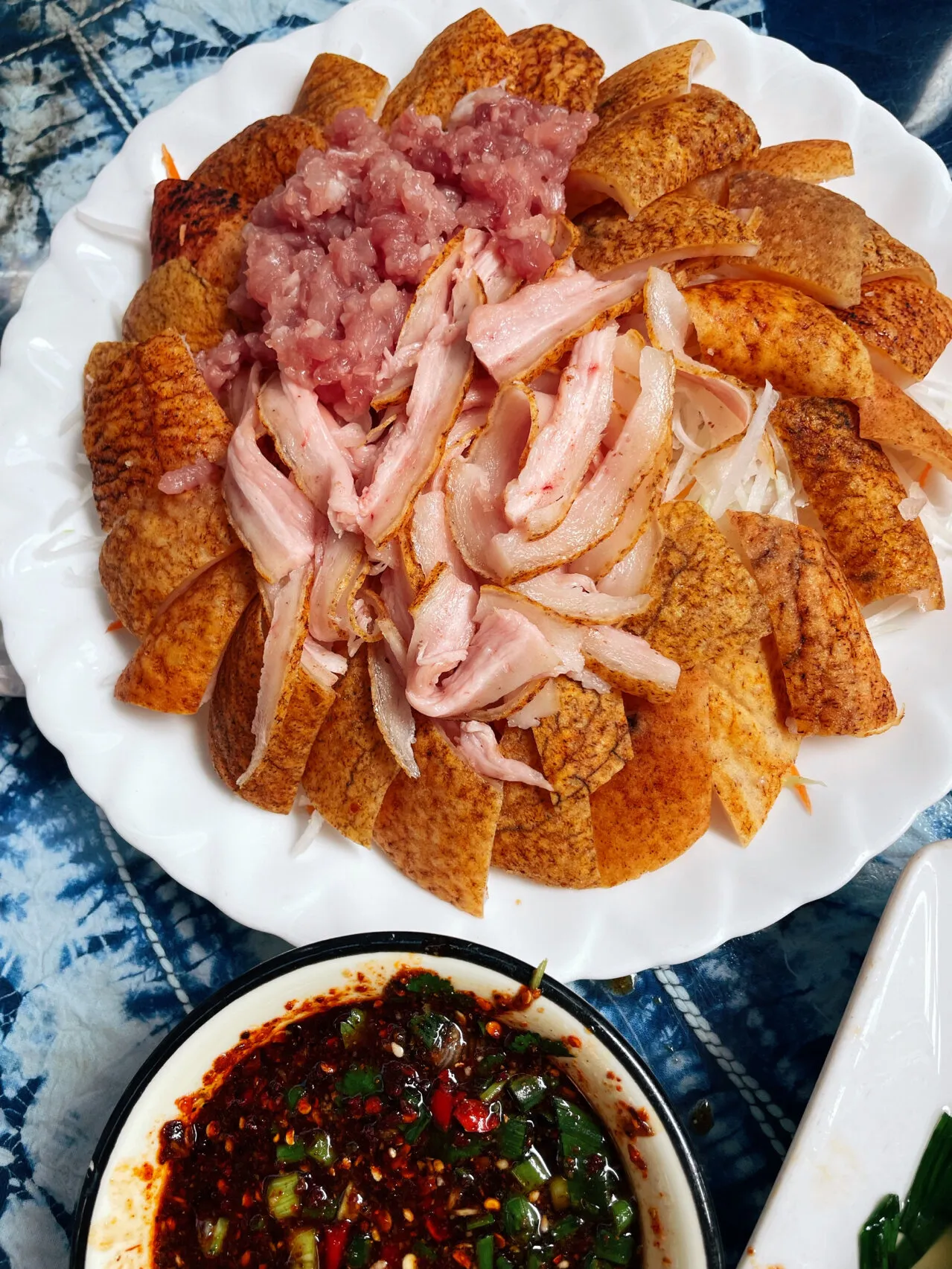
Shengpi is our Bai traditional “pork sashimi.”
The pork skin is crispy and fragrant, the raw meat cool, dipped in sour and spicy sauce made with plum vinegar—chewy, fresh, and sweet on the palate. The method: after slaughtering the pig, burn off the hair with rice straw, clean it, cut the meat and skin into pieces, and eat them directly with dipping sauce.
Xu Xiake’s Travel Notes mentioned shengpi. Today, pork must pass inspection before being eaten raw, to avoid parasites.
Not everyone dares to eat shengpi, but those who have tried it never forget the taste. I often tell friends: only those who dare to eat shengpi with me are true friends.
Three-Course Tea: One Bitter, Two Sweet, Three Aftertaste
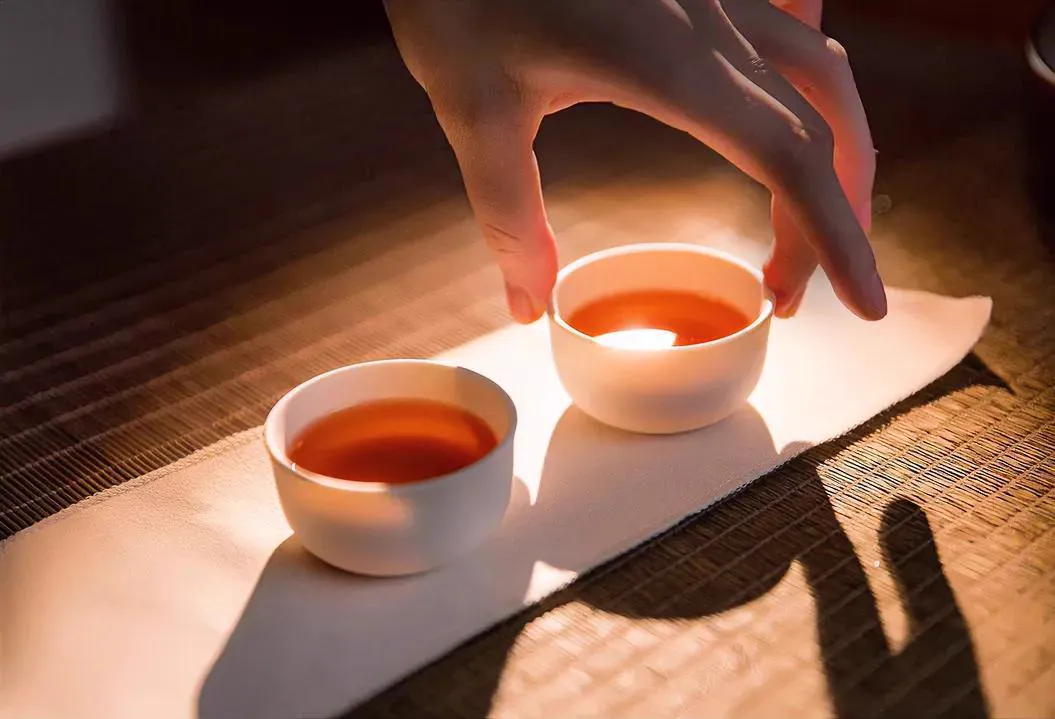
Three-course tea is our Bai custom for welcoming guests, consisting of bitter tea (roasted tea), sweet tea, and aftertaste tea.
It symbolizes “one bitter, two sweet, three aftertaste,” a philosophy of life. The first course is bitter, reminding people not to forget the hardships of starting a business; the second is sweet, celebrating the beauty of life; the third is aftertaste, reflecting on the meaning of life.
Bai people must serve three-course tea to guests. Not finishing all three courses means failing as a host.
Every time I host friends from afar, I personally brew three-course tea for them. Watching them go from frowning to relaxing to contemplating, I know they understand the meaning of three-course tea, and the life philosophy of us Bai people.
Staples and Preserved Foods: Everyday Tastes
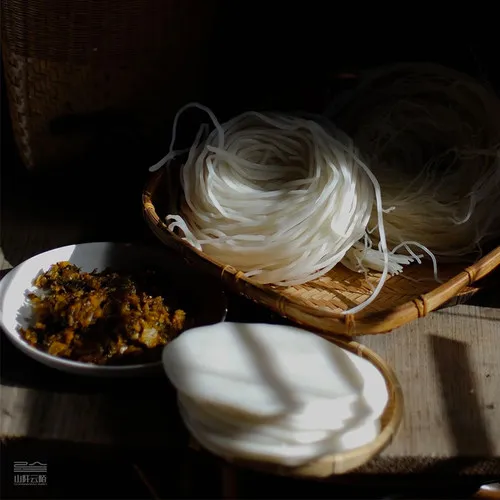
Our Bai staples are diverse. In the plains, rice is the staple; in the mountains, corn and buckwheat are more common.
Snacks include rice noodles, er si, er kuai, ice jelly, liang xia, juan fen, pea jelly, and more, prepared differently in different places. Hand-kneaded er kuai costs 3 yuan a serving, and can be topped with fermented tofu, spicy sauce, shredded potatoes, or minced meat.
Bai people have the custom of pickling and air-drying foods for preservation. The diet includes many pickled, cured, and dried foods, such as pickled pork intestines, pickled plums, pickled pears, cured meat, cured sausage, dried fish, dried pickled vegetables, and more. For Chinese New Year, five-flower pickled vegetables must be prepared.
These everyday tastes make up our Bai life. Not grand meals, not feasts, just the rice noodles, er kuai, and pickled vegetables eaten every day—but that taste is incomparable to any delicacy.
I am Mr. Jiang, founder of Yunsilver. My home is in Dali. The silver jewelry I make tells the stories of the Bai people. Website: yunsilver.com
Leave a Reply