Choose a manufacturer when you need jewelry made to your design and specification; choose a wholesaler when you want ready-made stock to resell as-is. They are different businesses solving different problems — and confusing them is one of the most expensive mistakes a young jewelry brand can make.
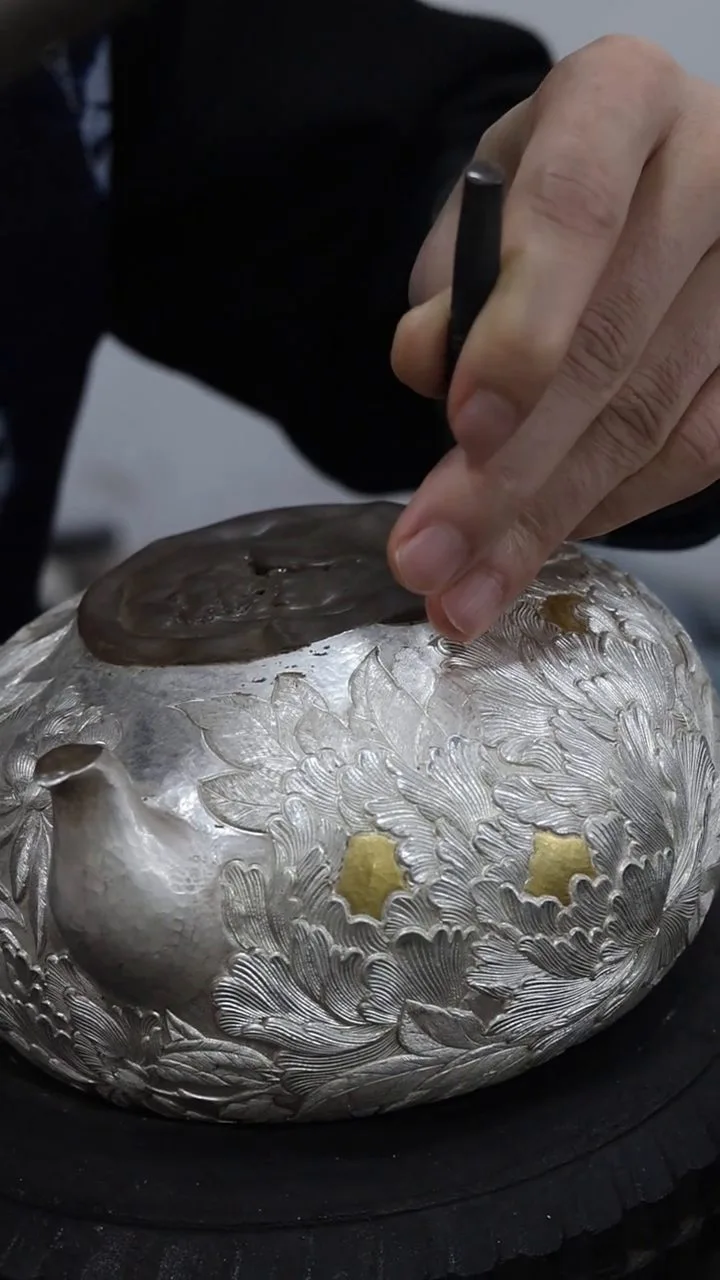
To be explicit about where we stand: Yunsilver is a custom silver jewelry manufacturer (OEM/ODM) in Dali, Yunnan — we make jewelry to order. We are not a wholesaler. If you need a thousand units of an existing design shipped tomorrow, a wholesaler serves you better. If you need your design brought to life in silver, that is our work.
Our core is 999 handmade fine silver: every piece we make to order is 999 fine silver, crafted entirely by hand.
What Each One Actually Does
A manufacturer transforms raw material into finished jewelry. The process starts from your tech pack, CAD file, or sample: engineering the design for production, making samples, refining through approval rounds, then producing your order. The manufacturer’s value is craft capability — forging, chasing, setting, finishing — and process control across every unit.
A wholesaler buys finished jewelry in bulk and resells it in smaller lots. Their value is inventory and logistics: breadth of catalog, immediate availability, low minimums per style. They do not make anything; when you ask for a design change, they can only offer what their suppliers already produce.
A trader or agent sits between — sourcing from factories on your behalf for a commission. Useful if you lack sourcing capacity, but you pay a margin for the intermediation and lose direct visibility into production.
Side-by-Side Comparison
| Manufacturer (like Yunsilver) | Wholesaler | Trader / Agent | |
|---|---|---|---|
| What you get | Your design, made to spec | Ready stock, as-is | Factory access via middleman |
| Customization | Full — dimensions, alloy, finish | None — take it or leave it | Limited — depends on factory |
| Lead time | Weeks (sampling + production) | Days (ships from stock) | Weeks plus coordination lag |
| Best for | Brands building a distinct line | Retailers needing fast inventory | Buyers without sourcing team |
| Relationship | Direct — you see the process | Transactional | Indirect — filtered information |
| Cost structure | Pay for craft + materials | Pay for convenience + markup | Pay factory price + commission |
When a Wholesaler Is the Right Call
If you are testing retail, need diverse styles fast, or sell where speed beats distinctiveness, buy wholesale — many successful retailers never manufacture. Just don’t expect a wholesaler to develop your designs; that is not their business.
When You Need a Manufacturer
You need a manufacturer when your edge is the product itself: a signature aesthetic, a quality tier wholesalers can’t reach, or designs that don’t exist in any catalog. Custom also gives material control — nickel-free materials, specific finishes — that wholesale never offers.
The trade-off is time and commitment. Sampling takes rounds; production takes weeks; minimums reflect real setup costs. Brands that understand this get jewelry nobody else sells. Brands that expect wholesale speed from a factory end up frustrated on both sides.
First-Hand Evidence: What Custom Manufacturing Looks Like
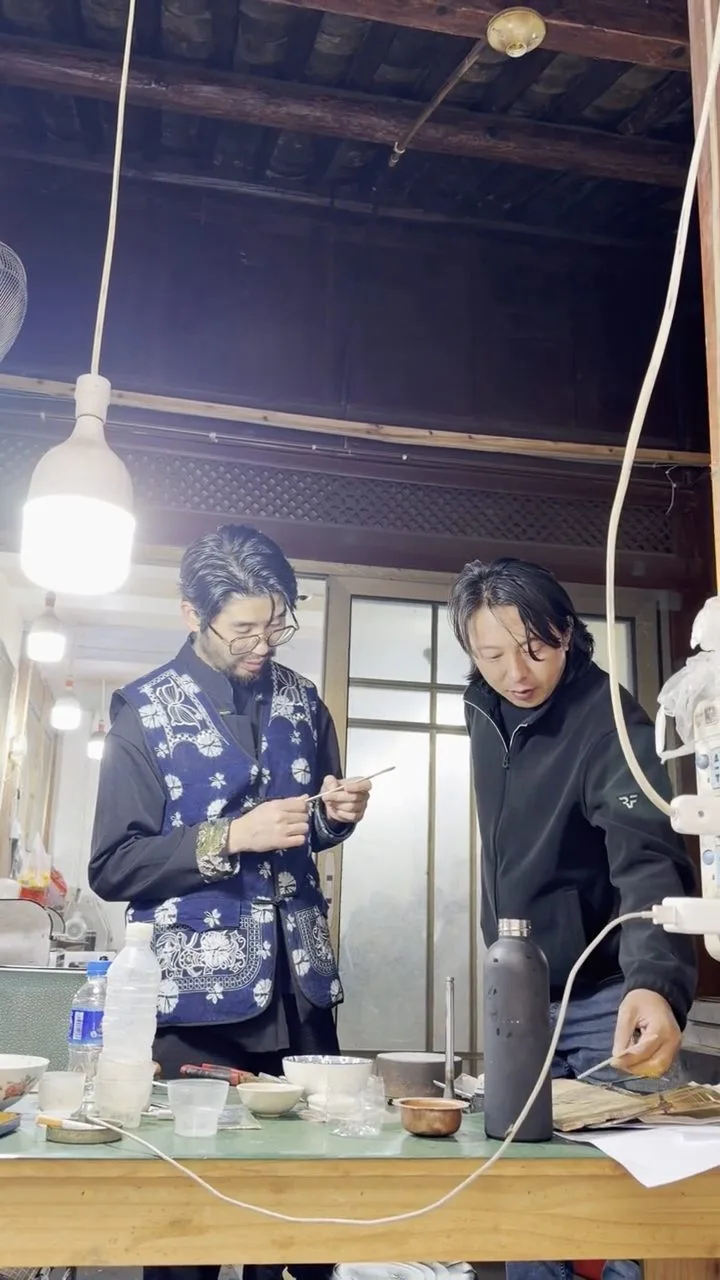
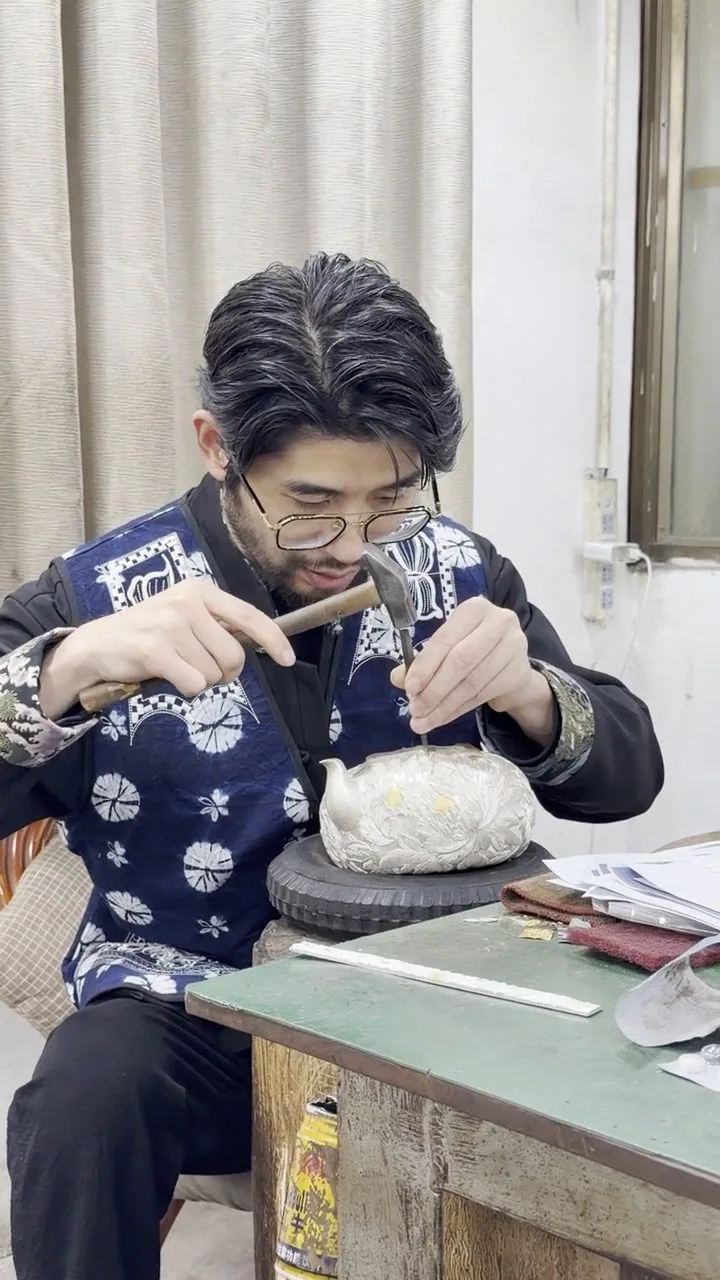
Our Dali workshop runs on the manufacturer model end to end. A typical custom project: the client sends designs, our master reviews them for manufacturability — flagging, say, a wall thickness that won’t survive chasing, or a hinge design that needs re-engineering. First samples go back with notes, not just product. Approved pieces move to batch production where each unit passes through the same bench sequence: forming, annealing, chasing, setting, polishing, inspection.
What we don’t do: we don’t stock finished jewelry, we don’t sell other factories’ products, and we don’t offer a wholesale catalog. When a buyer asks for “your 50 best-sellers at wholesale price,” we explain the mismatch and, if appropriate, suggest ODM adaptation — modifying an archive design into something theirs. That is still manufacturing, not wholesaling.
How to Vet a Manufacturer
Ask for the workshop, not the showroom: photos or video of the actual benches. Ask who does the chasing and setting — in-house or subcontracted. Ask about sampling fees and design exclusivity terms. A real manufacturer answers with specifics; a trader answers with reassurance.
FAQ
Can a manufacturer also sell small wholesale lots?
Some do, but be cautious: a “manufacturer” pushing ready stock may actually be a trader. Ask to see production of your specific design first.
What are typical minimums for custom manufacturing?
They vary by piece complexity — hand-chased work has different economics than simple bands. Discuss your designs directly with the factory rather than relying on generic MOQ figures.
Is custom manufacturing always more expensive than wholesale?
Per unit, often yes at small quantities — you’re paying for setup, sampling, and craft labor. At scale, and measured by differentiation and margin, custom usually wins.
How do I protect my designs with a manufacturer?
Put ownership and exclusivity in writing before sampling: who owns the CAD files, whether the factory may produce the design for others, and for how long. Reputable manufacturers expect this conversation.
Why does Yunsilver not offer wholesale?
Because our workshop is built for making, not stocking. Every bench is set up for custom production — forging, chasing, finishing to specification. Wholesale would need a different business: inventory capital and logistics we deliberately don’t carry, so we can focus on craft.
Leave a Reply